
Debunking the most popular gambling myths What you need to know
Debunking the most popular gambling myths What you need to know
Understanding the Odds
One of the most pervasive myths in gambling is that players can influence the odds of a game. Many believe that through strategies or special techniques, they can sway outcomes in their favor. However, in games governed by chance, such as slots or roulette, the odds remain fixed and are determined by mathematical probabilities. Understanding this concept is crucial for anyone who wishes to engage in gambling responsibly. Additionally, those interested in fashion trends can explore more at http://australianfashionweek.com.
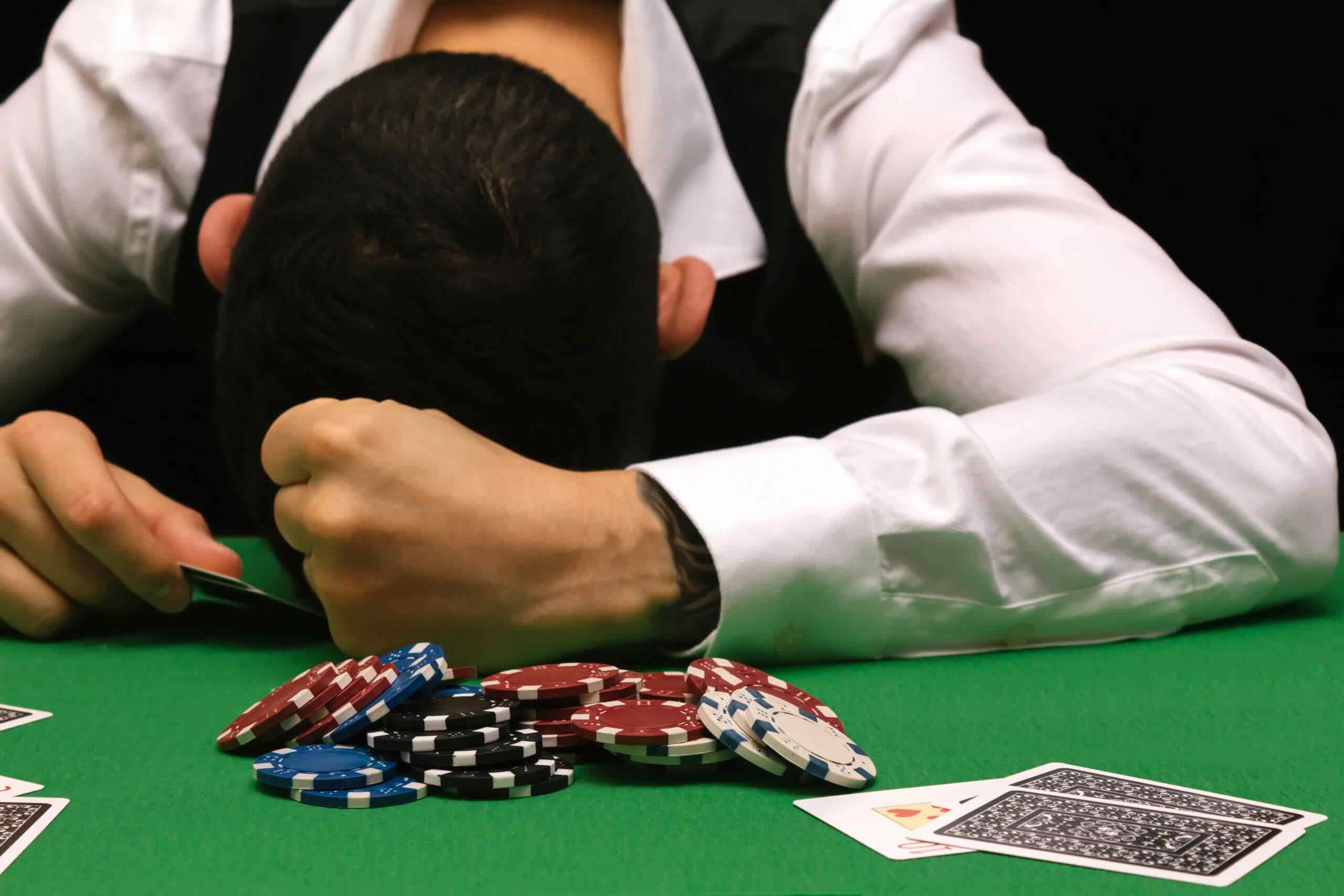
Moreover, believing that you can predict outcomes based on previous results—often referred to as the “gambler’s fallacy”—is misleading. Each spin of the wheel or shuffle of cards is an independent event. As such, previous results do not affect future outcomes. This myth can lead players to make poor decisions and ultimately diminish their gambling experience.
The Illusion of Control
Many gamblers operate under the misconception that they can exert control over the game through rituals or betting patterns. This belief stems from a psychological tendency to seek patterns in random events. While these rituals might enhance the player’s emotional experience, they do not impact the inherent randomness of the games themselves.
The reality is that professional gamblers understand the significance of probability rather than relying on superstition. By basing their strategies on statistical analysis, they acknowledge that luck plays a pivotal role, which is a crucial mindset for anyone entering the gambling world.
Hot and Cold Streaks
The concept of “hot” or “cold” streaks is another common myth in gambling. Players often believe that a game is more likely to pay out after a series of losses or that a winning streak will continue indefinitely. This notion can lead to dangerous betting habits and unrealistic expectations, which can result in significant financial losses.
The Role of Skill in Gambling
While some gambling games, such as poker or blackjack, do involve a degree of skill, many players mistakenly believe that they can apply these skills to every type of gambling. This oversimplification can lead to poor choices in games where luck is the predominant factor. Games like slots or bingo are designed purely for chance, and no amount of skill can change the outcome.
Conclusion: Empowering Your Gambling Experience
Understanding the myths surrounding gambling is essential for anyone looking to engage in this form of entertainment. By debunking these misconceptions, players can make informed decisions and enjoy a more responsible gambling experience. Knowledge is power, and being aware of the realities of gambling can enhance both enjoyment and sustainability.
For those seeking further insights into the gambling world, there are numerous resources available. Educating yourself about games, strategies, and responsible gambling practices will ensure a more rewarding experience, helping you to navigate the exciting yet complex landscape of gambling with confidence.

Leave a Reply